
The disposable vape industry is at a crossroads. As sustainable vape technology transforms the landscape in 2026, B2B buyers face new challenges and opportunities. With the European Union’s single-use vape ban taking full effect in 2025 and global regulators tightening environmental standards, B2B buyers face a critical question: how do you source products that meet both market demand and sustainability requirements?
The answer lies in manufacturing innovation. Behind the scenes, vape technology has evolved dramatically—and the changes are reshaping how wholesalers, distributors, and brand owners approach their supply chains. In this guide, we break down the five most impactful sustainable vape technology innovations that are redefining product quality, regulatory compliance, and competitive positioning in 2026.
1. Anti-Leak Technology: A Key Sustainable Vape Technology Innovation
E-liquid leakage has long been the number one complaint among vape users and the single largest source of product returns for B2B distributors. Industry data shows that leaking issues account for up to 30% of warranty claims in the disposable vape segment, costing wholesalers significant revenue in replacements, refunds, and reputational damage.
The latest generation of anti-leak vape technology addresses this problem at the structural level. Advanced sealing systems—featuring multi-layer silicone gaskets, precision-molded airflow channels, and pressure-equalizing valves—have reduced e-liquid waste by approximately 27% compared to devices manufactured just two years ago.
What This Means for B2B Buyers
When evaluating disposable vape manufacturers, anti-leak design should be a non-negotiable specification. Key questions to ask include:
- What type of sealing mechanism does the device use? Multi-layer seals outperform single-ring designs significantly.
- Has the product passed leak-testing under varying temperature and pressure conditions? Devices shipped internationally face extreme temperature fluctuations that can compromise inferior seals.
- What is the manufacturer’s defect rate for leakage? Leading OEM manufacturers now target below 2% leakage rates through automated quality inspection lines.
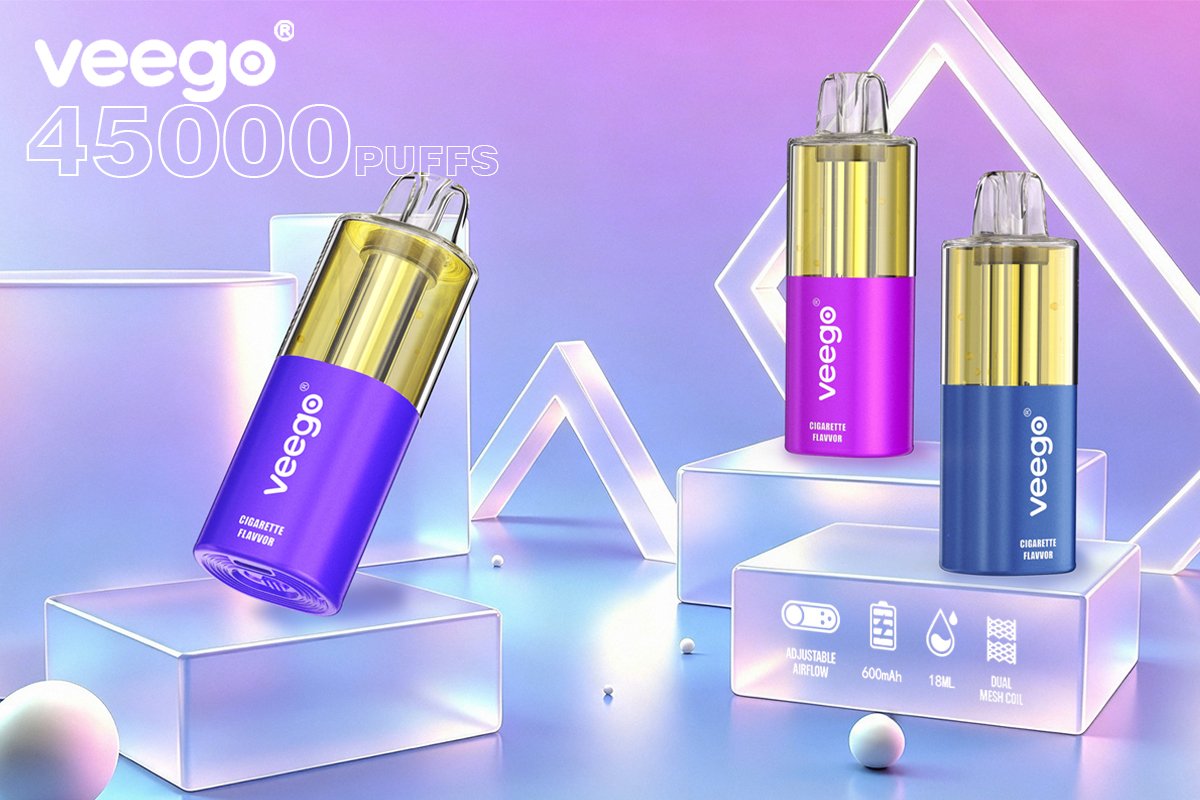
VEEGO, for example, has integrated proprietary anti-leak technology across its entire product line, combining precision-engineered chamber seals with smart airflow regulation to virtually eliminate leakage during storage, transit, and use. This technology has become a key differentiator for B2B partners sourcing products for European markets where consumer expectations are particularly high. For a real-world example, check out the VD Stable Leak-Resistant Disposable Vape that demonstrates how anti-leak engineering directly improves product reliability.
2. Modular Design: Sustainable Vape Technology Meets Flexibility
The EU disposable ban created a regulatory paradox: consumers want the convenience of single-use devices, but regulators demand products that can be repaired, recycled, or at minimum have replaceable components. The industry’s response has been modular vape design—and it is rapidly becoming the standard for forward-thinking manufacturers.
Modular devices separate the battery, pod cartridge, and outer shell into independently replaceable units. This approach delivers three critical advantages:
- Regulatory compliance: Devices with replaceable pods and rechargeable batteries meet the emerging EU and UK requirements that distinguish them from banned single-use products.
- Cost efficiency: Modular designs reduce long-term ownership costs by approximately 22%, according to industry analysis, because users only replace the component that has reached end-of-life.
- Brand loyalty: When a buyer invests in a specific pod ecosystem, they are more likely to remain within that brand’s product range, creating recurring revenue streams for distributors.
What B2B Buyers Should Evaluate
Not all modular designs are created equal. When sourcing from OEM/ODM suppliers, assess:
- Pod compatibility: Can the device work with multiple cartridge types (different resistance, capacity)?
- Battery lifecycle: What is the rated number of charge cycles before battery degradation?
- Material recyclability: Are the modular components made from recyclable materials?
The shift toward modular design is not just a regulatory response—it represents a fundamental change in how vape products are conceptualized, manufactured, and brought to market. The VX 50000K solenoid valve system exemplifies this modular approach with its innovative local filling design.
3. Advanced Battery Systems: Sustainable Vape Technology for Safer Power
Lithium-ion battery safety has become a headline issue. In the UK alone, waste management facilities reported over 1,200 battery-related fires in 2025, a 71% increase from two years prior. Discarded vapes were identified as one of the principal causes. For B2B buyers, battery quality is not just a performance metric—it is a liability concern.
The latest manufacturing innovations in battery technology include:
- Higher capacity with smaller form factors: Average battery capacity has increased to 900 mAh, extending device lifespan by up to 40% compared to earlier generations.
- Improved thermal stability: New electrode materials and separator technologies reduce the risk of thermal runaway—the self-sustaining chemical reaction that causes battery fires.
- USB-C standardization: The industry-wide shift to USB-C charging ensures compatibility and reduces the risk of users attempting unsafe charging methods.
- Smart battery management: Integrated circuits that prevent overcharging, monitor temperature, and regulate power output are now standard in quality-manufactured devices.
When evaluating sustainable vape technology suppliers, use this battery safety checklist
When vetting vape manufacturers, B2B buyers should request:
- UN38.3 certification for lithium battery transport safety
- IEC 62133 certification for portable battery safety
- Batch-level testing reports demonstrating consistent quality
- Clear end-of-life labeling to support proper recycling and reduce environmental liability
Manufacturers that invest in sustainable vape technology and battery safety certification are signaling long-term reliability—a critical factor for B2B relationships built on trust and regulatory compliance.
4. Smart Manufacturing: Scaling Sustainable Vape Technology in 2026
The global vape market launches over 350 new products annually, with disposable devices accounting for 54% of all new releases. This pace of innovation demands manufacturing systems that can adapt quickly while maintaining consistent quality—a challenge that separates tier-one OEM manufacturers from the rest.
Leading vape factories have adopted smart manufacturing practices that directly benefit B2B buyers:
Automated Quality Inspection
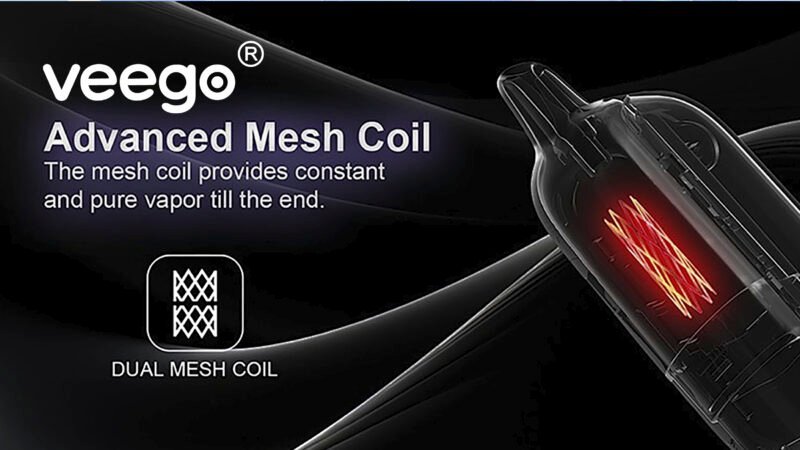
Modern production lines integrate AI-powered visual inspection systems that detect defects in real-time—from micro-cracks in pod cartridges to inconsistent coil resistance. This technology has reduced defect rates from industry averages of 5-8% to below 2% at leading facilities.
Digital Traceability
Batch-level traceability systems allow B2B buyers to track every device from raw material sourcing through final assembly. This capability is increasingly important for regulatory compliance, particularly in European markets where product safety documentation requirements are becoming more stringent.
Rapid Prototyping and Customization
Advanced CNC machining and 3D printing capabilities enable OEM partners to move from concept to production sample in as little as 7-14 days. This speed allows brand owners to test market response before committing to large production runs—reducing inventory risk and enabling data-driven product decisions.
For B2B buyers evaluating manufacturing partners, the questions to ask are straightforward: What is your annual production capacity? What is your defect rate? Can you provide batch-level quality reports? How quickly can you move from sample to mass production?
5. Flavor Innovation Meets Regulatory Intelligence: Navigating 7,000+ Options
The global vape market offers over 7,000 e-liquid flavors, with fruit flavors commanding 45% of consumer preference. But flavor innovation is no longer just about taste—it is about regulatory intelligence and market-specific formulation.
Here is why this matters for B2B buyers:
Regional Flavor Regulations Diverge
What is legal in one market may be banned in another. The UAE recently set minimum excise prices for e-liquids (effective September 2026), while the FDA in the United States authorized its first non-tobacco, non-menthol flavored vape products in May 2026—a landmark decision that signals shifting regulatory attitudes. Meanwhile, several EU member states continue to debate flavor restrictions under the revised Tobacco Products Directive.
Smart Formulation for Market Entry
Sophisticated OEM manufacturers now offer market-specific flavor consultation as part of their service package. This includes:
- Regulatory screening: Verifying that each flavor formulation complies with target market regulations before production begins.
- Consumer preference analysis: Using sales data from similar markets to recommend flavor portfolios that maximize shelf velocity.
- Nicotine salt optimization: Over 62% of new products now use nicotine salt formulations for smoother inhalation and faster nicotine delivery—matching consumer demand while maintaining compliance with regional nicotine concentration limits.
Building a Winning Flavor Portfolio
For B2B buyers entering new markets, the recommended approach is to start with a focused portfolio of 8-12 SKUs covering the top-performing flavor categories:
| Flavor Category | Market Share | Recommended SKUs |
|---|---|---|
| Fruit | 45% | 3-4 SKUs (tropical, berry, citrus, stone fruit) |
| Menthol/Mint | 20% | 2 SKUs (classic menthol, spearmint) |
| Dessert/Sweet | 15% | 1-2 SKUs (vanilla custard, candy) |
| Tobacco | 10% | 1 SKU (classic or rich tobacco) |
| Beverage/Dual | 10% | 1-2 SKUs (cola ice, energy drink) |
Working with an OEM partner that combines flavor innovation with regulatory intelligence reduces the risk of costly product recalls or market entry delays.
The B2B Buyer’s Action Plan for 2026
The convergence of sustainability mandates, regulatory evolution, and technological innovation is creating both opportunity and complexity for vape industry buyers. Here is a practical action plan:
- Audit your current supplier base: Evaluate whether your manufacturers are investing in anti-leak technology, modular design, and battery safety certification. If not, it may be time to diversify.
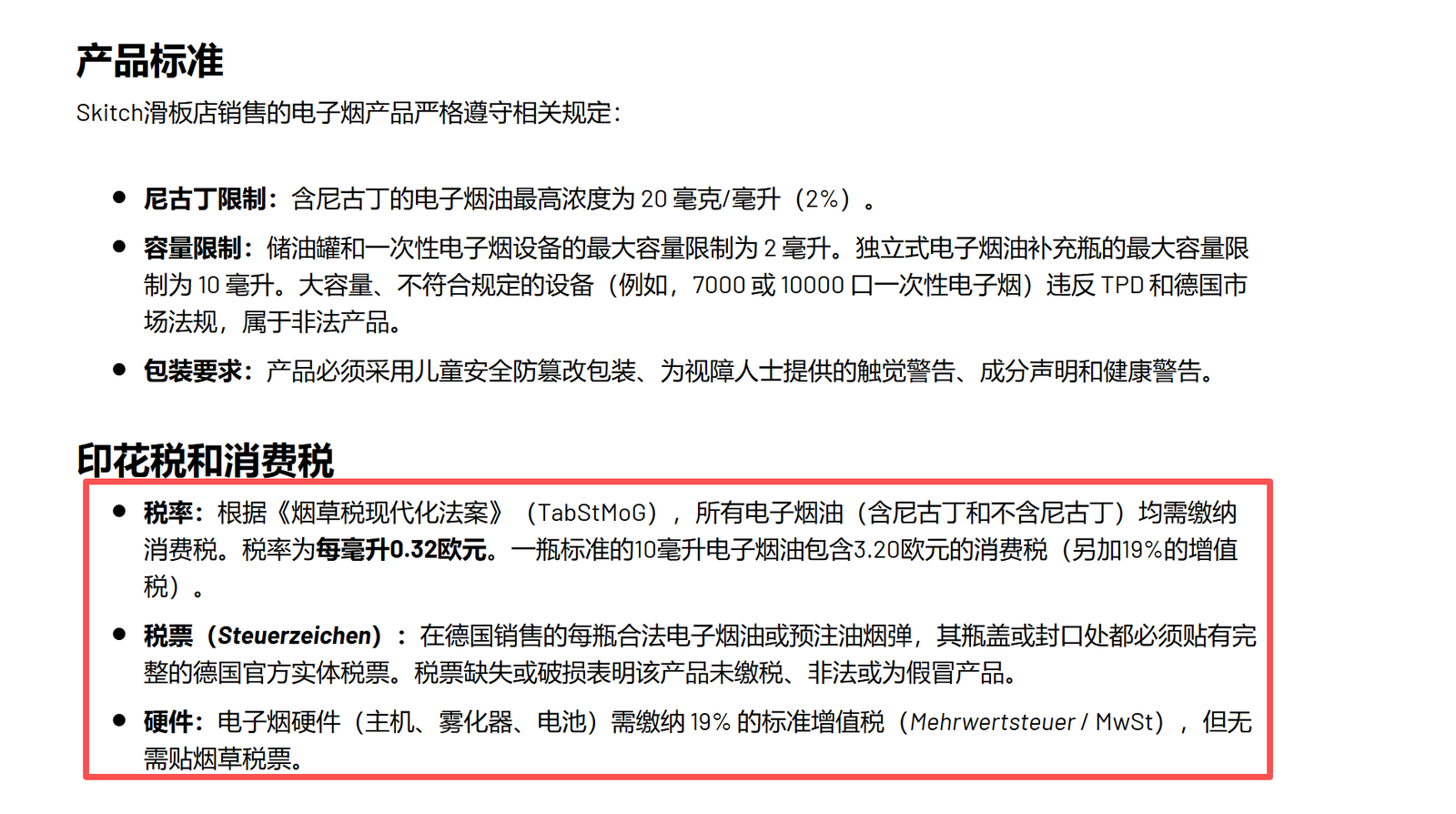
- Prioritize compliance documentation: Ensure every product in your portfolio has the necessary certifications for your target markets—CE marking for Europe, UKCA for the United Kingdom, and relevant FDA documentation for the US. Our detailed disposable vape compliance guide for 2026 covers the 5 key regulatory changes you need to know.
- Request innovation roadmaps: The best OEM partners share their technology development plans proactively. Understanding where manufacturing is heading helps you align your product strategy 12-18 months ahead.
- Invest in market-specific formulation: Work with manufacturers that offer regulatory intelligence alongside production capabilities. The cost of pre-market compliance screening is far lower than the cost of a product recall.
- Build sustainability into your brand story: Consumers and regulators both reward transparency. Products featuring anti-leak technology, recyclable components, and certified safety standards provide compelling marketing narratives that differentiate your brand.
Conclusion: Technology as Competitive Advantage
The narrative around disposable vapes is shifting from convenience-at-all-costs to responsible innovation. For B2B buyers—wholesalers, distributors, and brand owners—the manufacturers that invest in sustainable technology are the partners best positioned for long-term success.
Anti-leak systems, modular architecture, advanced battery safety, smart manufacturing, and regulatory-aware flavor development are not just engineering achievements. They are business tools that reduce returns, ensure compliance, build brand trust, and open new market opportunities.
As the global vape market continues its projected growth from $22.8 billion in 2025 to an estimated $42.5 billion by 2035, the competitive advantage will belong to businesses that source intelligently—not just cheaply.
Looking for a manufacturing partner that combines cutting-edge technology with B2B-focused service?
VEEGO specializes in OEM/ODM disposable vape manufacturing with integrated anti-leak technology, TPD-compliant product lines, and end-to-end quality control. Our engineering team supports brand owners and distributors across Europe, the Middle East, and beyond with custom formulation, regulatory guidance, and rapid production turnaround.
Contact us today to discuss your product requirements:
- Email: veegovape@outlook.com
- WhatsApp: Available for direct consultation
Whether you are launching a new brand or expanding your existing product line, VEEGO’s technology-driven approach ensures your products meet the highest standards of quality, safety, and sustainability.
Pingback: 2027 Vape Industry Outlook | China OEM & ODM Factory
Pingback: Industria del vapeo 2027: alianzas de fabricación | VEEGO
Pingback: Vape-Branchenausblick 2027: Fertigungspartnerschaften | VEEGO