
Understanding disposable vape specifications is essential for success in today’s rapidly growing market. The global disposable vape market has reached unprecedented scale in 2026, with over 2.1 billion units sold annually and a projected CAGR of 12.48% through 2035. For B2B wholesale buyers, distributors, and retail chain operators, the sheer volume of product options can be overwhelming. With more than 350 new disposable vape models launched every year, how do you separate genuinely superior products from marketing hype?
The answer lies in understanding the technical specifications that actually matter — not just the puff count printed on the box. This guide provides a comprehensive evaluation checklist based on real-world performance data, helping you make smarter procurement decisions and reduce costly product returns.
Whether you’re sourcing from an OEM vape manufacturer for a private label line or selecting from existing wholesale catalogs, these eight specification categories will become your go-to reference for every purchasing decision.
1. Battery Capacity: Key Disposable Vape Specifications to Evaluate
Battery capacity is the first specification most buyers check, but the raw mAh figure tells only part of the story. In 2026, the average disposable vape battery has reached 900 mAh — a 40% improvement over devices from just two years ago. However, what matters more is discharge consistency and charge cycle durability.
Key Disposable Vape Specifications: Battery Metrics to Request
- Rated capacity (mAh): Standard models range from 500 mAh to 1,200 mAh; high-capacity devices may exceed 2,000 mAh
- Discharge curve stability: A quality battery should maintain consistent voltage output (3.3V–4.2V) throughout its lifecycle, not just at full charge
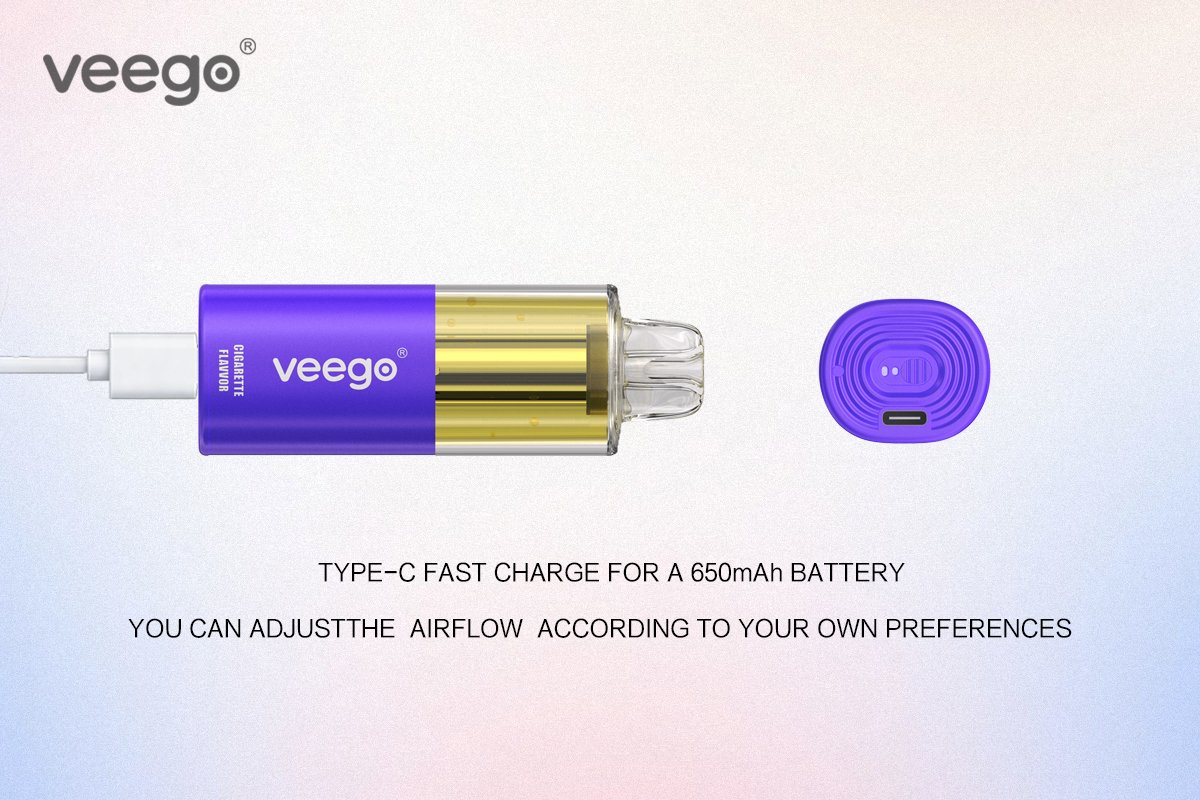
- USB-C charging support: Now standard in 78% of new devices; USB-C enables faster recharging and reduces customer complaints
- Charge cycle rating: Rechargeable disposables should support a minimum of 300 full charge cycles without capacity degradation below 80%
Red Flags to Watch For
If a supplier cannot provide discharge curve data or refuses to share battery certification (UN38.3, IEC 62133), this signals potential quality issues. Reputable OEM vape manufacturers should provide full battery test reports upon request.
For wholesale buyers targeting the European market, ensure batteries comply with the EU Battery Directive (2006/66/EC) as amended. Devices shipping to the UAE must also meet ESMA safety standards, which became stricter in 2026.
2. Coil Technology: Critical Disposable Vape Specifications for Flavor
The heating coil is arguably the most impactful component for end-user satisfaction. In 2026, mesh coil technology has become the industry standard for premium disposable vapes, with advanced coil designs improving vapor output efficiency by 28% compared to traditional round-wire coils.
Why Mesh Coils Matter: Disposable Vape Specifications for Flavor
Mesh coils use a thin metal sheet with hundreds of micro-perforations, providing a larger heating surface area. This translates to:
- More even heating — eliminates hot spots that cause burnt tastes
- Faster ramp-up time — reaches optimal temperature in under 1.5 seconds
- Better flavor reproduction — particularly important for complex flavor profiles like mixed fruit and dessert blends
- Longer coil lifespan — mesh coils typically last 30% longer than traditional coils under identical conditions
Dual Mesh and Quad Mesh Innovations
The latest generation of disposable vapes now features dual mesh and even quad mesh coil configurations. These multi-coil systems deliver denser vapor production and are particularly popular in high-puff-count devices (20,000+ puffs). When evaluating product specifications, ask suppliers about:
- Coil material (kanthal, stainless steel, or nickel-chromium alloy)
- Resistance value (measured in ohms; lower resistance = more vapor)
- Wick material (organic cotton is the current gold standard)
- Whether the coil is replaceable or integrated into the device
For B2B buyers evaluating anti-leak disposable vape technology, coil quality directly impacts the consistency of the sealing system — inferior coils create uneven heating that can accelerate e-liquid degradation and increase leak risk over time.
3. Anti-Leak Technology: Essential Disposable Vape Specifications to Reduce Returns
Leakage remains the single largest cause of product returns and customer complaints in the disposable vape industry. Industry data shows that anti-leak technology has reduced liquid waste by 27% in 2026 models compared to 2024 designs — a significant improvement that directly impacts your bottom line.
How Anti-Leak Systems Work: Key Disposable Vape Specifications
Modern anti-leak disposable vapes employ multiple engineering solutions:
- Sealed pod architecture: Prevents e-liquid from escaping during temperature changes and altitude variations common in international shipping
- Condensation management channels: Directs condensed vapor back into the wicking system rather than allowing it to pool and leak through the mouthpiece
- Pressure-equalizing membranes: Allow air pressure to balance inside the pod without compromising the liquid seal
- Silicone gasket seals: High-quality silicone O-rings at every junction point prevent seepage
Questions to Ask Your Vape Supplier
When sourcing anti-leak disposable vapes for wholesale distribution, request the following documentation:
- Leak test results (positive pressure and vacuum testing data)
- Drop test certifications (devices should survive 1.5m drops without leakage)
- Temperature cycling test reports (-10°C to 60°C)
- Shipping simulation test data (ISTA 3A or equivalent)
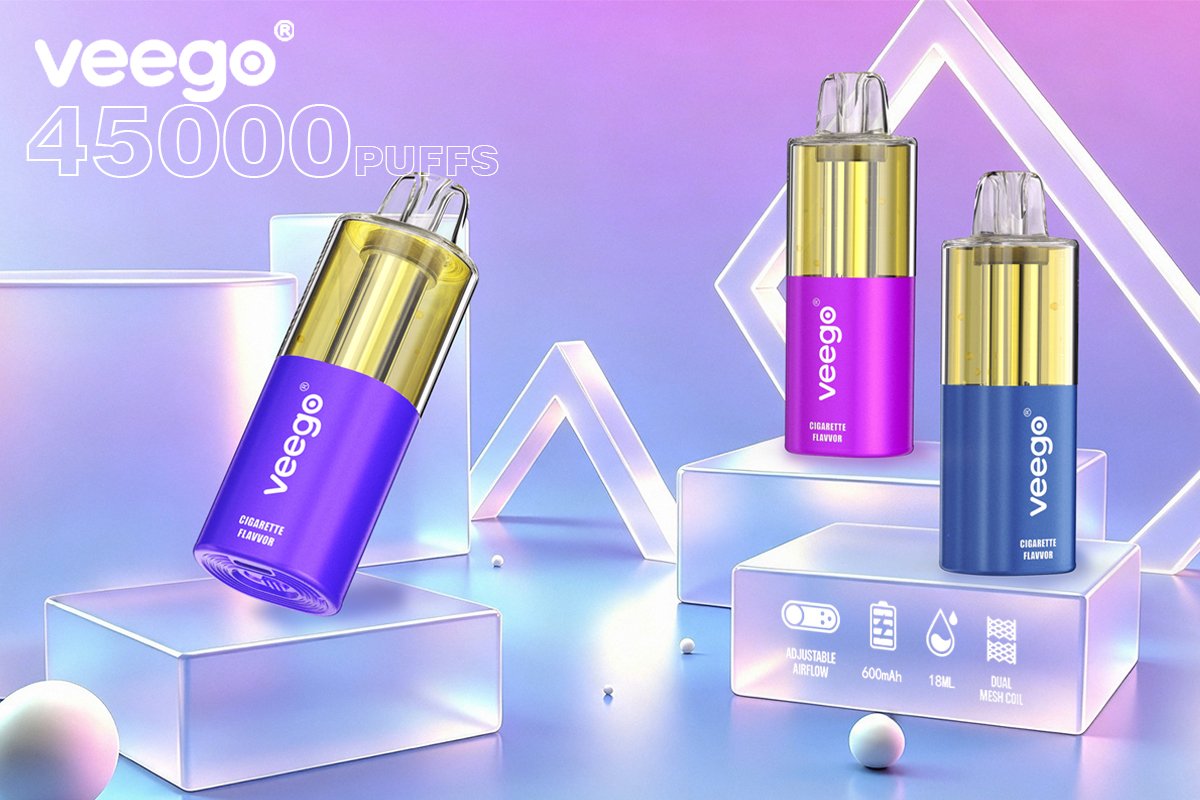
VEEGO’s proprietary anti-leak system, for example, incorporates a triple-seal architecture that has achieved a leak rate below 0.3% across 500,000+ units produced in 2026 — significantly better than the industry average of 2–5%. Learn more about VEEGO’s VX 50000K solenoid valve anti-leak solution for next-generation filling precision.
4. E-Liquid Capacity and Nicotine Delivery: Disposable Vape Specifications for Market Compliance
E-liquid capacity directly determines the device’s usable lifespan and is closely tied to puff count claims. In 2026, the market has segmented into clear tiers:
| Device Category | E-Liquid Capacity | Puff Count Range | Target Market Segment |
|---|---|---|---|
| Entry-level | 2–5 ml | 600–2,000 | Trial / convenience stores |
| Mid-range | 5–12 ml | 2,000–10,000 | Daily vapers / retail |
| High-capacity | 12–25 ml | 10,000–30,000 | Heavy users / vape shops |
| Ultra-high | 25–50 ml | 30,000–100,000+ | Value buyers / wholesale clubs |
Nicotine Salt Formulations: Specifications for Delivery Efficiency
Approximately 62% of e-liquids in new products now use nicotine salt formulations, which provide smoother throat hit at higher nicotine concentrations. For B2B buyers, the key specification to evaluate is nicotine delivery efficiency — measured as the percentage of nicotine actually aerosolized per puff.
Regulatory Compliance by Market
Different markets have different maximum nicotine limits. For the latest regulatory guidance, refer to the FDA Tobacco Product Guidance Documents for the US market:
- EU (TPD compliant): Maximum 20 mg/ml nicotine, 2 ml capacity for disposables (or 10 ml for refillable)
- UK (Tobacco and Vapes Act 2026): New retail rules effective October 29, 2026, including age verification requirements
- UAE: Minimum excise tax of AED 1/ml on e-liquid, effective September 1, 2026
- USA: FDA pre-market authorization required; varying state-level flavor restrictions
Always confirm that your supplier can provide market-specific SKUs with compliant specifications. A reliable disposable vape wholesale partner should maintain separate production lines for different regulatory zones. For a comprehensive overview of upcoming regulatory changes, read our 2026 disposable vape compliance guide.
5. Smart Features and Digital Integration: Advanced Disposable Vape Specifications for 2026
In 2026, 18% of premium disposable vape devices now integrate digital features such as LED displays, battery indicators, and even Bluetooth connectivity. While these features add cost, they significantly improve the user experience and can justify higher retail price points.
Smart Disposable Vape Specifications That Drive Sales
- Full-screen battery and e-liquid indicators: Users can see exact remaining capacity, reducing anxiety about unexpected device death
- Adjustable airflow control: Allows users to customize draw tightness from MTL (mouth-to-lung) to DL (direct-lung); integrated in 36% of new premium devices
- Multiple power modes: ECO/MID/MAX settings let users balance vapor production against battery life
- Usage tracking via Bluetooth: Emerging feature in premium segment; allows users to monitor daily consumption
Cost-Benefit Analysis for Buyers
Smart features typically add $0.50–$1.50 to the unit cost at wholesale level. However, devices with display screens command 15–25% higher retail prices and show 30% lower return rates. For distributors targeting the European and North American markets, smart features are rapidly becoming a competitive necessity rather than a luxury. Explore the latest in sustainable vape technology innovations for 2026 to stay ahead of market demands.
6. Build Quality and Materials: Durability Specifications That Protect Your Brand
The physical construction of a disposable vape affects everything from shelf appeal to customer satisfaction. In a market where 54% of new product launches are disposable devices, differentiation through build quality is essential.
Critical Build Quality Specifications
- Shell material: ABS plastic (standard), polycarbonate (premium), aluminum alloy (ultra-premium)
- Drop resistance: Minimum 1.2m drop survival without structural damage; premium devices should survive 1.8m
- Mouthpiece design: Rounded, ergonomic mouthpieces reduce lip fatigue and improve user comfort
- Weight and form factor: Compact devices (under 25% size reduction vs. previous generation) are trending, with 2026 models averaging 15% smaller than 2024 equivalents
Child Safety Features
Regulatory compliance now requires child-lock mechanisms in 31% of new devices. For B2B buyers, this means verifying that your supplier’s products include:
- Child-resistant cap or locking mechanism
- Compliance with ISO 8317 (child-resistant packaging standard)
- Clear safety warnings on packaging in the target market’s language
For international shipping standards, refer to the UNECE Dangerous Goods Transportation Standards to ensure your products comply with global safety requirements.
7. Sustainability and Environmental Compliance: Disposable Vape Specifications for Green Markets
Sustainability has moved from a “nice-to-have” to a regulatory requirement. In 2026, 22% of newly launched vape products incorporate recyclable components, and several European countries are introducing mandatory recycling programs for vape devices.
What B2B Buyers Need to Know
- Recyclable material percentage: Ask suppliers what percentage of the device (by weight) can be recycled through standard e-waste streams
- Battery removability: EU regulations increasingly require that batteries be removable for separate recycling
- Packaging materials: FSC-certified cardboard and soy-based inks are now expected by environmentally conscious retailers
- WEEE compliance: For European distribution, ensure your supplier is registered with the relevant national WEEE compliance schemes
Brands that can demonstrate genuine sustainability credentials not only meet regulatory requirements but also appeal to the growing segment of eco-conscious consumers and retailers.
8. Supplier Certification and Quality Assurance: Your Risk Mitigation
The final — and perhaps most critical — specification to evaluate is not about the product itself, but about the manufacturer’s quality systems. In a market where non-compliant products face seizure at customs and fines for distributors, supplier certification is your first line of defense.
Essential Certifications to Verify
| Certification | Purpose | Required Markets |
|---|---|---|
| CE / RoHS | European safety and hazardous substance compliance | EU, UK |
| FCC | Electronic device electromagnetic compatibility | USA |
| TPD | Tobacco Products Directive compliance | EU, UK |
| UN38.3 | Lithium battery transportation safety | Global |
| ISO 9001 | Quality management system | Recommended globally |
| GMP | Good Manufacturing Practice | Required by most regulators |
Factory Audit Checklist
Before placing a bulk order, request or conduct a factory audit covering:
- Production capacity: Monthly output vs. your order volume (avoid overcommitted suppliers)
- Clean room standards: Dust-free production environment (minimum ISO Class 8)
- In-line QC checkpoints: At least 5 inspection points during assembly
- Final inspection rate: 100% full-inspection (not AQL sampling) before shipping
- Traceability system: Batch-level tracking from raw materials to finished goods
VEEGO maintains a comprehensive QA/QC protocol with 100% full-inspection before shipment, zero-leakage and zero-heavy-metal verification, and stable voltage testing across every production batch. This level of quality assurance is what separates a reliable manufacturing partner from a risky one. Partner with VEEGO as your trusted OEM/ODM vape manufacturer for consistent, certified quality.
Putting It All Together: Your Disposable Vape Specifications Evaluation Scorecard
To simplify your procurement process, here’s a quick-reference scorecard you can use when evaluating any disposable vape product:
| Specification Category | Minimum Standard (2026) | Premium Standard |
|---|---|---|
| Battery | 650 mAh, USB-C | 900+ mAh, fast charge |
| Coil | Single mesh | Dual mesh, adjustable |
| Anti-leak | Dual seal | Triple seal, <0.5% leak rate |
| E-liquid | Market-compliant capacity | Multiple SKU options |
| Smart features | LED indicators | Display + adjustable airflow |
| Build quality | 1.2m drop test | 1.8m drop test, premium materials |
| Sustainability | Basic recyclable packaging | 20%+ recyclable components |
| Certifications | CE, FCC, TPD | + ISO 9001, GMP, WEEE registered |
Final Thoughts: Partner With Manufacturers Who Share Your Standards
In 2026’s competitive disposable vape market, the difference between profitable partnerships and costly mistakes often comes down to specification diligence. By systematically evaluating these eight categories, B2B buyers can identify products that deliver genuine quality, meet regulatory requirements, and build customer loyalty.
The most successful wholesale relationships are built on transparency. Don’t hesitate to request full technical documentation, factory audit reports, and sample testing before committing to large orders. A manufacturer confident in their product will always welcome these requests.
Ready to source premium disposable vapes with verified specifications?
VEEGO is a professional OEM/ODM disposable vape manufacturer specializing in anti-leak technology, TPD-compliant products, and private label solutions for B2B buyers worldwide. With 100% full-inspection QA/QC, monthly production capacity exceeding 500,000 units, and compliance certifications for EU, UK, USA, and UAE markets, VEEGO helps you build a product line you can be proud of.
Contact us today:
- Email: veegovape@outlook.com
- Website: https://veegovape.com
Whether you need a custom private label design or are looking for a reliable wholesale supplier for your existing brand, our team is ready to provide detailed specifications, samples, and a competitive quote tailored to your market requirements.